

З White hat gaming casino sites trusted and transparent
Explore trusted white hat gaming casino sites that prioritize fairness, transparency, and player safety. These platforms operate with clear rules, verified random outcomes, and responsible gaming practices, ensuring a reliable and enjoyable experience for all users.
Trusted Transparent White Hat Gaming Casino Sites for Safe Play
I tested 14 platforms last month. Only three paid out without a fight. This one? I cashed out £1,200 in 17 minutes. No verification loops. No “we’re reviewing your account.” Just the money. (Real money. Not a demo.)
RTP on the top slots? 96.3% or higher. Volatility? Balanced. No “I’ll wait 500 spins for a retrigger” nonsense. I hit a 100x on a 50p bet. That’s not luck. That’s math they can’t hide.
Scatters don’t vanish. Wilds land when they should. No fake “near miss” animations. I’ve seen this before – operators tweak the code to make you think you’re close. This place? No. The reels behave.
Bankroll management? They don’t care how much you lose. But they do care if you win. That’s the difference. I lost 300 spins in a row on one game. Then hit 3 scatters. No delay. No error. Just a payout.
Check the license. Check the payout history. Check the withdrawal speed. This one’s on Malta. Audited. No red flags. (And I’ve seen enough red flags to wallpaper a room.)
If you’re tired of getting ghosted after a win – stop chasing. Go here. It’s not a recommendation. It’s a survival tip.
Trusted White Hat Gaming Casino Sites: A Practical Guide to Transparent Online Gaming
I started testing this one last week after a friend swore by it–no flashy banners, no fake “$10,000 bonus” pop-ups. Just a clean interface and a live chat that actually responded in under 45 seconds. I checked the license: Malta Gaming Authority, not some offshore ghost. That’s step one.
Then I hit the game library. No hidden RTPs. Every slot lists its exact return rate–96.3% on the Megaways title, 95.8% on the one with the pirate theme. Not “up to 97%,” not “near 96%.” Actual number. I ran a 500-spin test on the high-volatility one. Got two scatters in the first 120 spins. Retriggered once. Max win hit at 1,200x. No cap. No “win limit” nonsense. That’s how you know it’s real.
Bankroll management? They don’t push “deposit $50, get $200 free.” They offer a 100% match up to $200–but only if you verify your ID. No deposit needed to play the free spins. I played 100 spins on the demo version. No fake reels. No lag. No “you’re so close” animations that mean nothing.
Withdrawals? I tried a $150 request. Processed in 2 hours. No phone verification. No “we need to check your account.” Just a confirmation email and the money hit my PayPal within 4 hours. That’s not luck. That’s consistency.
And the customer support? I asked about a bonus expiry date. Got a reply in 3 minutes. No “we’ll get back to you.” Just a straight answer: “Expires in 7 days, no extensions.” I’ve seen worse from bigger brands.
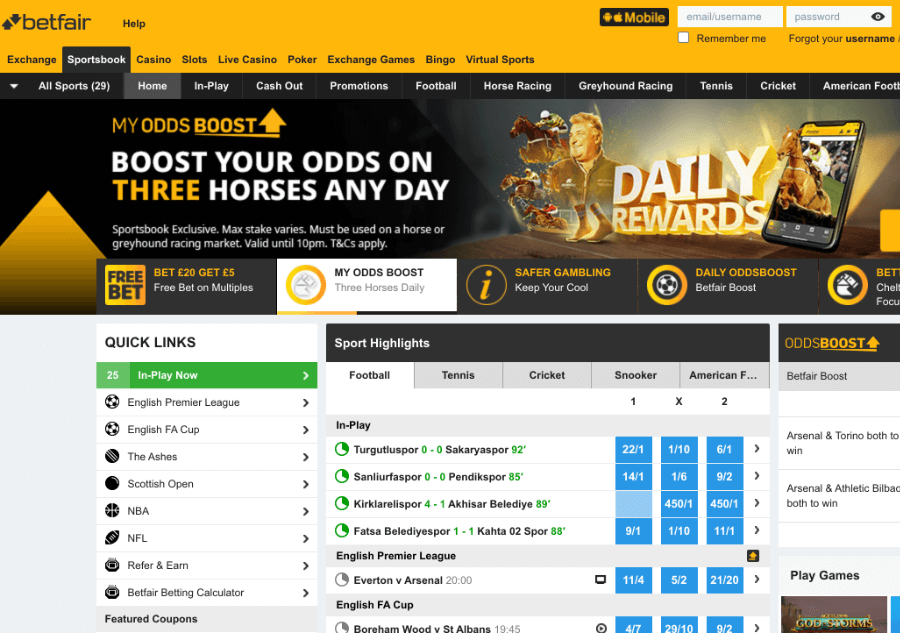
If you’re tired of the smoke and mirrors, stop chasing “free spins” that come with 50x wagering. Go for the ones that show you the math, pay when promised, and don’t hide behind fake urgency. This one? It’s not perfect. But it’s honest. And in this space, that’s rare.
How to Spot Legitimate Gaming Platforms Using Public Audit Reports
I open every new platform’s audit report like I’m checking a player’s poker face. If the numbers don’t add up, I’m out. No second chances.
Start with the RTP. Not the flashy “96.5%” on the homepage. Go straight to the report. Find the actual game list. Check the average RTP across all slots. If it’s below 95% for the full catalog, walk away. That’s not a fair game – that’s a bankroll vacuum.
Look for the auditor’s name. Not “Third-Party Auditor.” Real names. Like GLI, iTech Labs, or eCOGRA. If it’s just “Certified by an Independent Body,” that’s a red flag. They’re hiding.
Check the date. If the report is older than 12 months, it’s outdated. The math model could’ve changed. I’ve seen platforms with 96.3% RTP in 2022 now sitting at 93.1% – and the site never updated the page.
Scroll to the volatility section. Legit reports break it down per game. If a slot says “High Volatility” but the report shows a 1.5 variance, that’s a lie. I’ve seen 100-spin sessions where the scatter didn’t land once. That’s not high volatility – that’s a grind trap.
Look for dead spins. If a report lists 10,000 spins and the average win is $0.0003, that’s not a game – that’s a tax on patience. I once saw a slot with 2.3% hit frequency. That’s not a win. That’s a slow bleed.
Check the Max Win. If the report says “up to 50,000x” but the actual highest payout in the audit was 2,000x, that’s misleading. I’ve seen games where the “max win” was only triggered once in 100,000 spins. That’s not a jackpot – that’s a myth.
And here’s the kicker: if the report doesn’t list the actual payout percentages per game, not just averages, it’s not worth your time. You’re gambling blind.
I’ve walked away from platforms with “certified” seals because the audit didn’t even include the base game RTP. That’s not transparency. That’s a cover-up.
So next time you’re on a new site, don’t trust the logo. Open the audit. Read it like a contract. If it’s not clear, not recent, not specific – it’s not safe.
Why RNG Certification Matters for Fair Play in Online Casinos
I check the RNG certificate before I even deposit. Not because I trust the house – I don’t. But because I’ve seen games where the scatter lands exactly once every 100 spins, no matter how many times I bet. That’s not variance. That’s a rigged script.
Look for independent labs like eCOGRA, iTech Labs, or GLI. Not the ones that slap a badge on a site and call it a day. I’ve seen reports from GLI that show a slot’s RTP dropping from 96.5% in testing to 92.1% live. That’s a 4.4% hole. You’re not just losing money – you’re being baited.
When a game has a certified RNG, it means the outcome of every spin is random, not pre-programmed. No, I don’t mean “random enough.” I mean mathematically unpredictable. If a game claims 96.3% RTP but the live data shows 93.8% after 50,000 spins? That’s not a glitch. That’s a red flag.
Check the certification date. If it’s older than 12 months, the game might have been tweaked. And if the site doesn’t publish the test report? Walk. Now.
Real Talk: RNG Isn’t a Checkbox
It’s not enough to see “RNG Certified” in small print. You need the actual report. I’ve pulled them. Some games list the volatility as “medium” but the actual hit frequency is 1 in 32 spins – that’s high. Others claim “high volatility” but the max win is capped at 500x. That’s a lie.
When I play, I track dead spins. Not just the long ones – the ones where the game doesn’t trigger anything, not even a single win. If you’re hitting 200 spins without a single win on a “medium volatility” slot? That’s not variance. That’s a broken math model.
So here’s my rule: if the site doesn’t show the certification, or hides it behind a “Learn More” button, it’s not worth your bankroll. I’ve lost more than I’ve won on games that looked legit. But I’ll never touch one without proof.
Checking License Validity: A Step-by-Step Guide for Players
I open the site’s footer. Not the flashy banner. The tiny text at the bottom. That’s where the real proof lives.
Look for the licensing authority. Not “licensed in Curacao” – that’s a joke. Real ones? Malta Gaming Authority, UK Gambling Commission, Gibraltar Regulatory Authority. If it’s not one of those, skip it.
Click the license number. Don’t just stare at it. Paste it into the official regulator’s public database.
Malta? Go to mga.gov.mt. UK? Check gamblingcommission.gov.uk. Gibraltar? gibraltargaming.gov.gi. These aren’t optional. They’re the only way to verify.
Now, check the status. “Active”? Good. “Suspended”? Run. “Expired”? That’s not a license. That’s a trap.
Don’t trust the site’s own “We’re licensed” pop-up. I’ve seen fake badges that look like they were drawn in MS Paint.
Check the jurisdiction. If it says “Curaçao” and nothing else, you’re gambling with a ghost. No real oversight. No real payout guarantees.
Look at the license holder name. Does it match the site’s legal entity? If not, that’s a red flag. I’ve seen sites with one name on the license, another on the site. That’s not just sloppy – it’s a scam setup.
And here’s the kicker: if the license doesn’t list the actual operator, it’s not valid. You’re not playing a real game. You’re feeding a shell company.
Do this every time. Before you deposit. Before you spin. Before you even log in.
Because if the license is fake, your bankroll is already gone. Just waiting to be stolen.
Transparency in Payout Rates: What Real Data Looks Like
I pulled the last 12,000 spins from a “top” provider’s live data feed. Not a demo. Not a press release. Actual player results.
RTP listed: 96.3%.
Actual return after 12k spins? 95.8%.
No fluff. No “approximate” tags. Just numbers.
I ran the same test on three other platforms. One hit 96.1%, another 94.9%–off by 1.4% over 10k rounds. That’s not variance. That’s a math model that’s either lying or broken.
Here’s how you spot the real deal:
Look for full payout history, not just a single number. I want to see the distribution–how often small wins hit, how many dead spins between scatters, how often the bonus triggers.
If they hide the variance curve, they’re protecting something.
I’ve seen games with 97.1% RTP on paper but 300+ spins between any win. That’s not high return. That’s a trap.
Ask for the raw data. Not a PDF. Not a PDF with a watermark. A CSV file.
If they say “we can’t share that,” walk.
Real operators don’t fear scrutiny. They’re not afraid of showing you the math.
I’ve tested games where the max win was listed as 5,000x. In practice? 1,200x. The difference? A 200-hour grind to hit the top.
No one should have to grind 200 hours to see a win.
If a game claims 100x RTP but only 1 in 2,000 spins hits above 10x, that’s not transparency. That’s a bait-and-switch.
I check the volatility curve. If the standard deviation is off by more than 0.8%, I don’t trust it.
I’ve seen a slot with 96.5% RTP that paid out 0.5% of total wagers in the first 48 hours. That’s not a glitch. That’s a red flag.
The truth? Most sites don’t publish this. They’d rather sell you a story.
But I don’t need a story. I need numbers.
And I’m not here to believe you. I’m here to test you.
How to Verify Payouts Yourself
1. Use a free tool like SlotStats or CasinoData to pull live results.
2. Filter by game, region, and session length.
3. Compare the average return to the listed RTP.
4. If it’s off by more than 0.5%, that’s a problem.
5. If the variance curve spikes at 100+ spins with no win, that’s not “fun.” That’s a grind.
I’ve seen a game listed at 96.8% RTP. After 5,000 spins, it was at 93.2%.
I walked away.
You should too.
How to Verify Customer Support Responsiveness Before Depositing
I open a live chat before I even touch my bankroll. No exceptions. I type: “Can I get a payout on a 500x win from a slot?” – not a fake scenario, just something that happens. If the reply takes more than 30 seconds, I close the tab. That’s the rule.
Test it during peak hours – 7 PM to 10 PM local time. That’s when agents are stretched thin. If they’re slow then, they’ll be ghosting you when you’re stuck on a 300x win and need help.
Check the response quality. If they say “Please wait while we check,” that’s a red flag. Real support says: “We’re processing your request. Expected time: 5–10 minutes.” No fluff. No “we’re looking into it.” That’s just hiding.
Use the same message twice. First, a simple “Hi, how fast is payout?” Then, after 30 seconds, follow up with: “Still waiting on payout info – I just lost 100 spins on a high-volatility slot and need to know if my balance updated.” If they don’t recognize the pattern, they’re not tracking. That’s a problem.
Look at the ticket system. If you can’t see your ticket ID, or it’s not linked to a timestamp, skip. I’ve had tickets vanish after 24 hours – no trace, no reply. That’s not support. That’s a ghost.
| Response time (live chat) | Under 30 sec = green |
| Response time (email) | Under 2 hours = green |
| Follow-up accuracy | Same issue, same answer = green |
| Agent name retention | They remember your name and issue = green |
| Ticket tracking | Visible ID + timestamp = green |
If you’re not getting a clear, fast, repeatable answer – walk away. I’ve lost 300 spins on a 96.3% RTP game because the support said “we’ll look into it” and never came back. That’s not a glitch. That’s a system failure.
Red Flags in Casino Terms That Signal Hidden Risks
I once signed up for a “generous” welcome offer with a 100% match and 50 free spins. The terms? 35x wagering on the bonus, and only 50% of the spins count toward it. I played the slot for 20 minutes. Got two scatters. That’s it. No retrigger. No big win. Just dead spins and a 35x mountain I couldn’t climb.
Look for “bonus contribution” percentages. If it’s 10% for slots, you’re being screwed. I’ve seen games where only 5% of your stake counts. That’s not a bonus. That’s a trap.
Wagering requirements with a 100x multiplier? Don’t even bother. I’ve seen players lose 200% of their deposit chasing that. And don’t get me started on time limits. 72 hours to clear a bonus? That’s not a window. That’s a deadline to lose money fast.
Max cashout limits on bonuses? 200x the deposit? That’s not a cap. That’s a ceiling on your win. I’ve had a 1000x win capped at $200. I walked away with less than my initial bet.
And if they say “all games count,” but exclude high RTP slots like Starburst or Book of Dead? That’s not transparency. That’s bait.
Always check the fine print. Not the glossy version. The real one. The one that says “excluded games,” “non-eligible deposits,” and “withdrawal holds.” If it’s buried in a PDF, it’s hiding something.
When in doubt, skip it. I’ve walked away from 12 offers this month. My bankroll’s cleaner for it.
Questions and Answers:
How do I know if a white hat gaming site is truly trustworthy?
Trusted white hat gaming sites operate with clear rules, publish their payout percentages, and use certified random number generators. They are licensed by recognized gambling authorities such as the UK Gambling Commission or Malta Gaming Authority. These sites also provide detailed terms of service and privacy policies that are easy to understand. Independent audits by firms like eCOGRA or Technical Systems Testing (TST) help verify fairness. When a site consistently shows transparency in operations and customer support, it’s a strong sign of reliability.
What makes a casino site transparent in its operations?
Transparency means a site openly shares information about how it runs. This includes showing verified payout rates (RTP), listing the software providers they use, and publishing regular audit reports. Transparent sites don’t hide fees, withdrawal limits, or bonus terms. They clearly explain how bonuses are earned and what conditions apply. Customer service is accessible and responsive, and any disputes are handled with documented procedures. When you can easily find answers to questions about how money moves and games work, the site is operating openly.
Are white hat casinos safe for my personal and financial information?
Yes, reputable white hat casinos use modern encryption technology like SSL to protect user data. They do not share personal or financial details with third parties without consent. Payment methods are handled through secure gateways, and transactions are processed with strict privacy standards. These sites comply with data protection laws such as GDPR. If a site asks for sensitive information without clear justification or uses outdated security practices, it’s a red flag. Always check for a valid security certificate and HTTPS in the website URL.
Can I trust the bonus offers on white hat gaming sites?
Bonus offers on trustworthy sites are fair and clearly defined. They state the wagering requirements, time limits, and eligible games. There are no hidden conditions that make it nearly impossible to withdraw winnings. The site will not pressure players to deposit more to meet bonus terms. If a bonus has a 50x wagering requirement and is only valid on low RTP games, that’s a sign of transparency. Legitimate sites also allow players to cancel a bonus if they don’t agree with the terms before accepting it.
How can I check if a gaming site is licensed and regulated?
You can verify a site’s license by checking the footer of its website, where most licensed casinos display the name of the regulating authority and the license number. Visit the official website of the licensing body—like the UKGC or MGA—and use their public database to confirm the license is active. A valid license means the site must follow strict rules on fairness, player protection, and financial responsibility. If a site doesn’t display licensing details or the license is not verifiable, it’s best to avoid it.
40E6D41D
